Unfolding the iPhone 18
Hey everyone, and welcome to NewsAiTech!
If you’ve landed here, chances are you want to stay in the loop with what’s happening in the global tech world—without getting dizzy from terms like “2nm silicon architectures,” “variable physical apertures,” or “silicon-carbon battery cells.”
Don’t worry, you won’t need an engineering degree here. My goal with this blog is to look at tech news through a human lens: how these gadgets actually impact our daily lives, our psychology, and the unique ways different cultures adapt to them.
To kick things off, let’s talk about the biggest story dominating global headlines right now: Apple’s newly unveiled iPhone 18 lineup and its head-turning sibling, the iPhone Duo.
What’s Actually New? (Without the Buzzwords)
Every autumn, Apple hosts what feels like a global holiday for tech enthusiasts. This year, however, they shook up their standard strategy quite a bit:
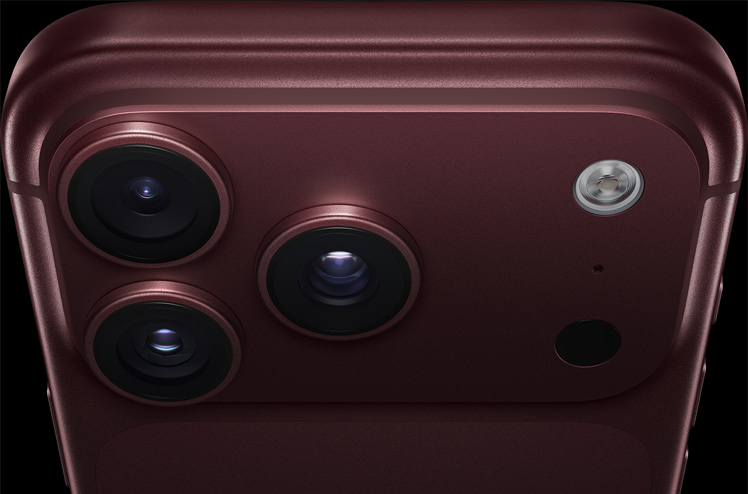
The Heavyweights (iPhone 18 Pro & Pro Max): These are the traditional top-tier glass slabs. They come with sleeker displays, bigger batteries, and a camera main lens that actually adjusts light exposure physically—much like the human eye.
The Showstopper (iPhone Duo): After years of rumors, Apple finally dropped its first foldable phone. Closed, it works like a compact 5.4-inch phone; opened like a book, it turns into a 7.6-inch tablet. It’s ultra-thin, sleek, and carries an eye-watering starting price of $1,999.
Where’s the standard iPhone 18? Interestingly, reports indicate Apple delayed the standard entry-level models until early next spring, keeping this fall strictly focused on their highest-end, premium hardware.
On paper, these devices represent incredible engineering. But if we step away from camera megapixels and folding hinges, a far more fascinating story emerges—one about global economics, personal identity, and human status games.
The Geography of Value: A Daily Tool vs. A Social Statement
Depending on where you sit on the world map, buying an iPhone 18 is two completely different emotional and financial experiences.
In markets like the US, Canada, or parts of Western Europe, a high-end phone is certainly an investment, but it usually fits into manageable carrier payment plans or represents a fraction of an average monthly paycheck. People treat it primarily as a reliable tool—for work, navigation, streaming, and capturing family moments.
Now, shift the lens to where I live—here in Turkey—and across many emerging economies in Latin America, South Asia, or Eastern Europe.
Because of heavy import taxes, local consumption tariffs, and foreign exchange rates, buying a flagship phone isn’t just expensive; it’s a major life purchase. In Turkey, buying a new iPhone 18 Pro or iPhone Duo can easily cost the equivalent of several months of an average worker’s salary.
And yet, despite these astronomical prices, people line up for them. Why?
The Psychology of “Pocket Prestige”
This is where sociology and consumer psychology enter the picture. In countries facing high inflation or heavy taxation, a smartphone morphs into something far bigger than a communication tool: it becomes a wealth signifier and a status symbol.
When buying real estate or luxury vehicles feels out of reach for younger generations, the smartphone becomes the ultimate accessible luxury. It sits on the café table screen-up. It’s held front-and-center in mirror selfies. It silently communicates a non-verbal message: “I am connected to the modern global economy, and I am doing well.
“Psychologists call this conspicuous consumption—the practice of purchasing visible items to display social or economic standing. Carrying a brand-new iPhone Duo through the streets of Istanbul or São Paulo isn’t just about enjoying a foldable display; it’s a social badge. It provides a tangible feeling of prestige and prestige-driven confidence in a world where economic upward mobility can feel complicated.
So My Final Thoughts
Technology is never just about hardware specs, fast chips, or flexible glass. It is a mirror reflecting global disparities, human desires, and the subtle ways we communicate who we are to the world around us.
Whether you view the new iPhone Duo as an over-engineered $2,000 flex or a revolutionary piece of pocket computing, one thing is clear: what we hold in our hands often says just as much about our culture as it does about the device itself.
What about you? What does owning the latest phone represent in your country or social circle? Is it just a tool, or something more? Drop a comment below—I’d love to hear your thoughts!