The New AI Model Race
From Gemini Carbon and enterprise security to small shops and taxi drivers, why the ongoing shift belongs to all of us.
If you have been anywhere on the internet this month, you have probably noticed that the world of artificial intelligence has moved far beyond simple chatbots. We have zipped right past the early agent hype and landed squarely in an intense race between brand new frontier models. Every single week brings another high profile announcement, leaving people wondering what all these new names actually mean for everyday life.
In corporate boardrooms, the favorite buzzword right now is work orchestration. In plain English, that simply means using intelligent agents to automate daily tasks, knowing which model fits which specific assignment, deploying the most cost effective option, and constantly watching for security vulnerabilities so nothing goes wrong.
Just weeks after rolling out Gemini 4 Argon, Google announced Gemini 4 Carbon, their newest flagship model built for deep engineering and cybersecurity defense. Early benchmark reports show Carbon hunting down real software vulnerabilities and patching the exact security flaws that keep developers awake at night.
At this point, almost everyone interacts with artificial intelligence in some personal way. We turn to phone apps for quick dinner recipes, travel ideas, or even a bit of late night emotional support. Yet when it comes to handing over company files and automating real business operations, a much tougher question emerges: Which model is genuinely safe, and which one can we actually trust with our sensitive information?
Google promises enterprise grade privacy, assuring corporate clients that proprietary business data is never fed back into training public models. That policy offers welcome peace of mind against accidental leaks. Still, in an industry moving at supersonic speed, balancing cutting edge capability with strict security and budget reality is no easy walk in the park.
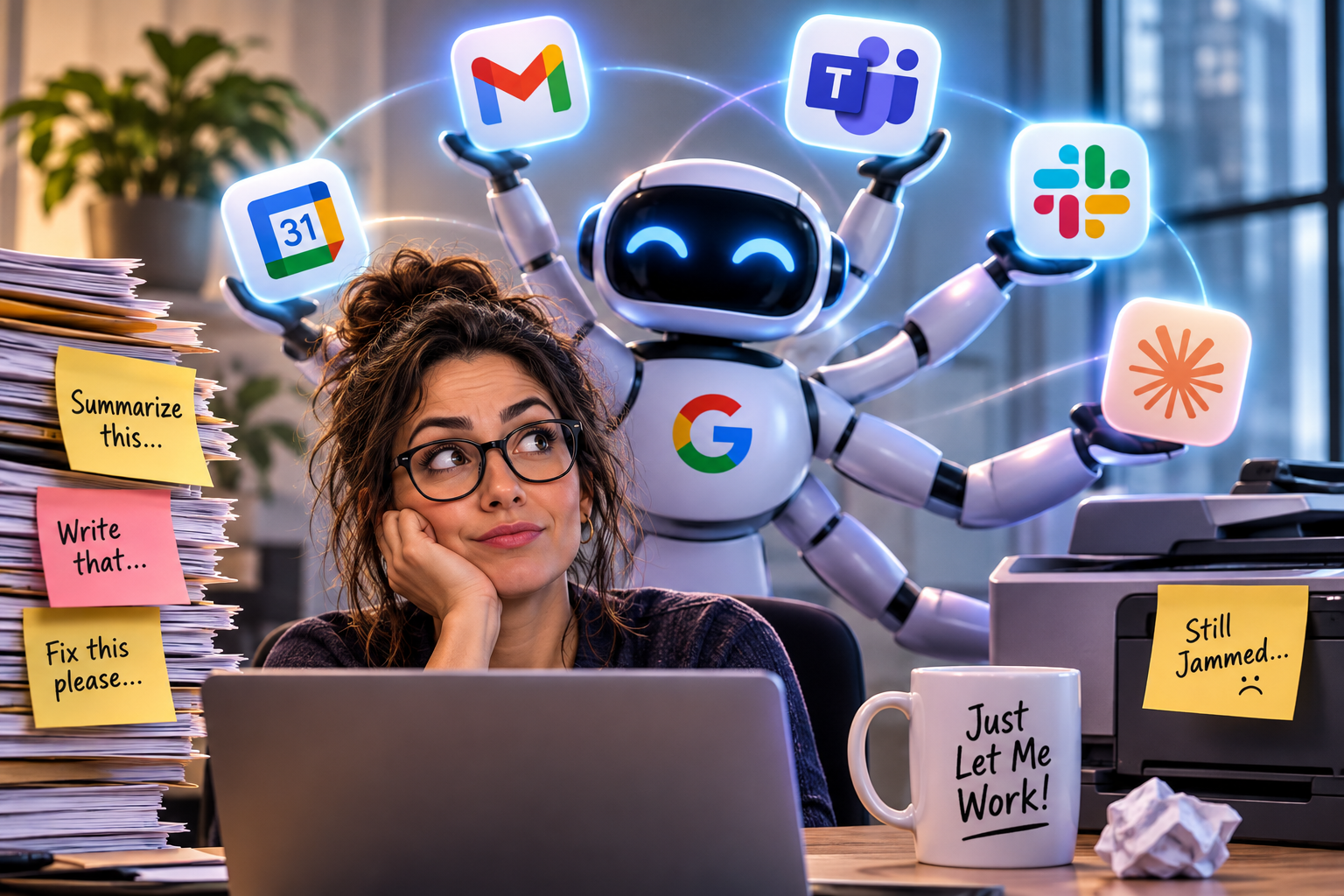
On one side of the modern workplace, desk jobs are getting flooded with shiny new digital helpers. Microsoft Copilot summarizes video calls, Gemini agents read emails to draft messages, and Anthropic Claude helps people build custom digital tools. These setups sound brilliant if you spend forty hours a week sitting in front of a computer screen.
What if you drive a taxi through city traffic? What if you are an auto mechanic with motor oil on your hands, a local grocer stacking crates of fresh fruit, a homemaker managing a busy family household, or someone running a neighborhood bakery or boutique hotel? You do not have an enterprise software budget, and you certainly do not need a fleet of digital agents organizing your corporate calendar. Does that mean you should simply shrug your shoulders and ignore everything happening right now?
Not at all. The quiet truth is that people working with their hands or running small local businesses stand to gain just as much from understanding where this technology is heading.
You do not need to be a software engineer to benefit. A friendly brainstorming session with a chatbot, started purely out of curiosity during a quiet afternoon, could easily spark a practical idea for local deliveries, a clever scheduling trick, or an entirely new service that your neighborhood genuinely needs. Curiosity costs nothing, but staying engaged keeps unexpected doors wide open.
What we are witnessing today mirrors the early nineties when the internet first began changing everyday life, except this time the transformation is unfolding at lightning speed. From the way companies operate to the very definition of daily professions, everything will steadily adjust to this new era. Our best move right now is not to panic or feel left out. We just need to stay curious, test small ideas, dream freely, and keep our eyes wide open as the future takes shape.